Ultimate Kundasang Food and Shopping Guide | Where to Eat and What to Buy (2026)
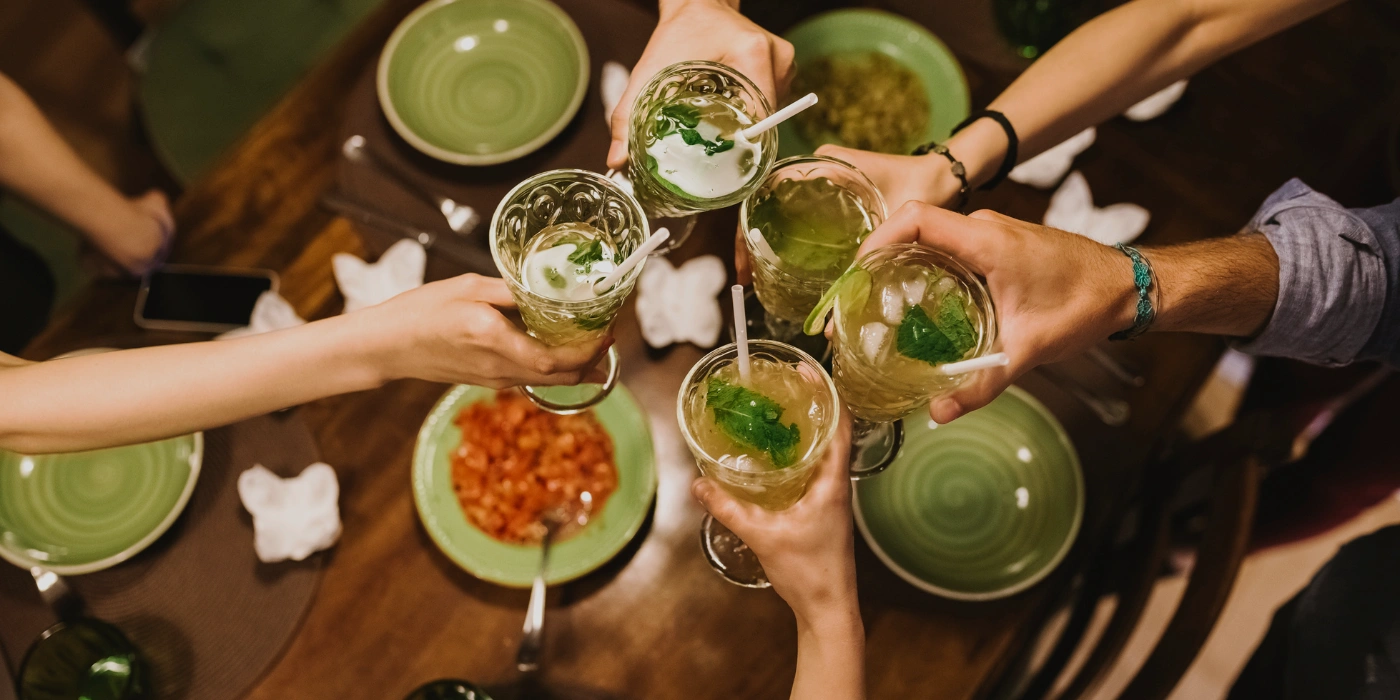
What to Know Before Eating & Shopping in Kundasang
Kundasang is one of those places where the
Mount Kinabalu views pull you in, but the small moments are what you remember: a hot drink when the air turns chilly, a snack you didn’t expect to love, and a quick market stop that turns into a bag of edible souvenirs.
This Kundasang food and shopping guide pulls everything together in one place so you don’t have to guess: where to eat, where to shop, and what’s actually worth buying from Sabah’s highlands.
Inside, you’ll find quick shortlists, simple game plans (from 2–3 hours to a full day), and practical tips for shopping at Kundasang Market and stopping at Pekan Nabalu. When you want the deeper lists, you’ll also see links to the supporting guides on local foods, cafes, street food, desserts, and must-buy local products.
What Food is Kundasang Known For
Kundasang food isn’t about fancy plating. It’s more about comfort, freshness, and the way the highlands change what you crave.
This is why our Kundasang food and shopping guide treats eating and buying as one connected experience. The cooler weather makes warm meals hit harder, even simple dishes feel more satisfying when the air is chilly, and you’ve been out sightseeing.
Fresh produce is also part of the culture here, so you’ll see vegetables and seasonal fruits woven into market shopping, local favorites, and what people bring home.
And snacking is genuinely half the fun; it’s common to try small bites as you move around, then pick up one or two packs of treats for later. That’s why food and shopping in Kundasang naturally go together; you don’t really do one without the other.
Kundasang may be best known for the majestic Mount Kinabalu, but beyond the views, the town also offers a rewarding food and shopping experience worth exploring.
Where to Eat in Kundasang (How Most People Actually Do It)
Most visitors don’t sit down for three heavy meals. A better rhythm is: one main meal, snack stops in between, a café break, and dessert if you feel like it.
1) Start with one proper local meal
If this is your first time, plan for one satisfying local meal instead of trying to squeeze in too many “must-eat” places. You’ll enjoy it more, and the rest of the day stays flexible for cafés, snacks, and shopping stops.
A good way to make that one meal count is to try something that feels distinctly Sabahan, such as nonsom (fermented-style local flavour), pinasakan (a tangy, slow-cooked style dish often associated with local home cooking), or hinava (a fresh, zesty raw-style fish salad).
You might also come across other local favourites depending on the day, so don’t be afraid to ask what the stall is known for.
A simple rule: pick a spot that looks clean, has good turnover, and feels local rather than overly staged. When you see food moving quickly and the place looks well-kept, it’s usually a good sign. Kundasang is generally forgiving if you go with common sense, and one solid local meal is often all you need to feel like you’ve truly “tasted” the highlands.
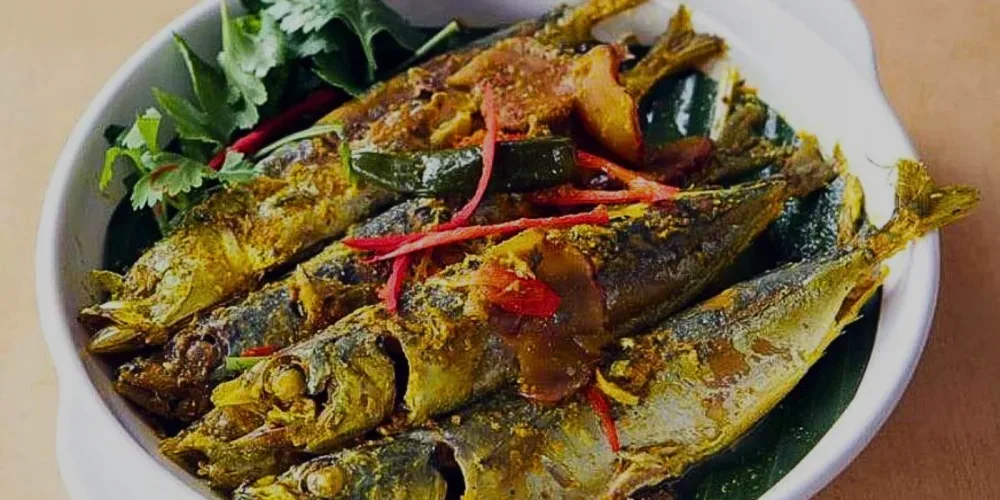
Pinasakan is a classic Kadazan-Dusun dish, typically cooked with fish and is known for its tangy, comforting flavors and deep cultural roots in Sabah. (Photo by: Reddit)
2) Street food under RM10 (cheap eats that are genuinely fun)
This is where Kundasang gets playful. You try a bite, share it, keep walking, and suddenly you’ve tasted five things without spending much.
It’s also not just for tourists. Many of these small snacks are local favorites too, which is part of why they’re worth trying.
Two packable, “buy now, enjoy later” snacks that commonly show up are:
- Amplang (crunchy, addictive, usually sold in small packs)
- Kuih cincin (ring-shaped crunchy snack that’s great with coffee or tea)
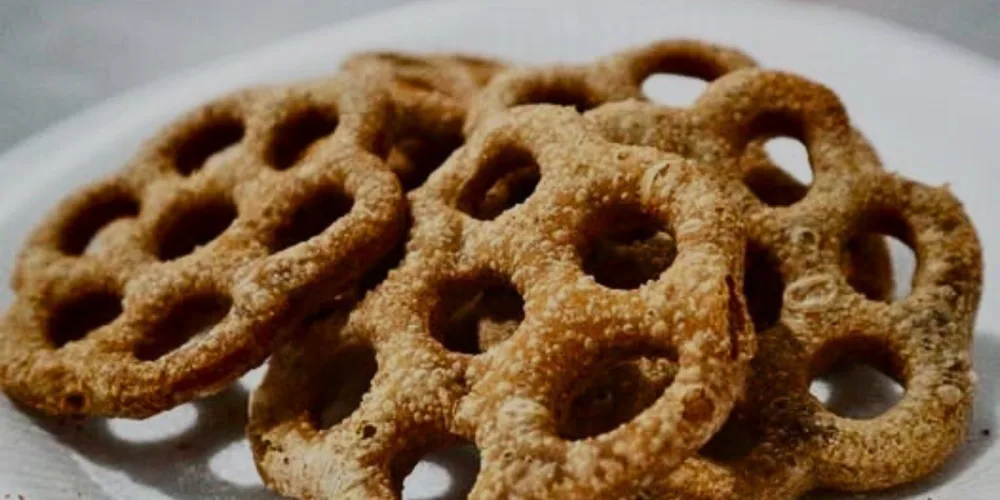
They’re also solid edible souvenirs because they travel well and still taste good back at the hotel.
Kuih cincin is a classic traditional snack, known for its crisp texture and caramelized palm sugar flavor. (Photo by: AfsahBrand)
3) Cafes in Kundasang (coffee, brunch, cakes, scenic views)
A cafe stop in Kundasang isn’t just about coffee. It’s part of how you pace the day, especially if you’re following this Kundasang food and shopping guide and trying to balance viewpoints, short walks, and market stops without rushing.
Sometimes Mount Kinabalu is crystal clear. Other times, the clouds sit low, and you’re waiting. That’s where a view-friendly cafe becomes an easy win because you’re still enjoying the highlands, not just “killing time.”
Popular picks to keep in mind include Second Breakfast Club for a breakfast-style break, Anooh Coffee when you want a cosy cafe moment, and BW Bus Restaurant if you’re after something a bit more unique and photo-friendly.
Cafes are great when you want a slow scenic break between stops, a proper brunch and warm drinks before heading out, or cakes and coffee when the weather turns extra cool. They also make the day feel more relaxed, like a holiday, rather than a rushed checklist.
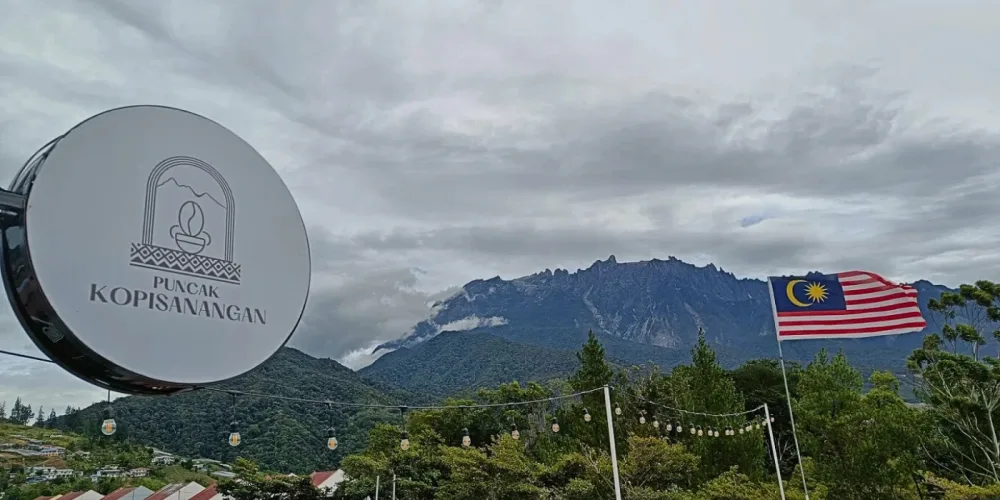
Puncak Kopisanangan Cafe offers good food and coffee alongside stunning views of Mount Kinabalu. For many travelers, the cafe break here is just as much about the scenery as it is about what’s on the table. (Photo by: Eng Seng Pua)
4) Desserts and sweets (bonus treats, not a strict plan)
Desserts in Kundasang can be a little unpredictable, and that’s part of the fun; you’ll find different treats depending on the day and what’s in season.
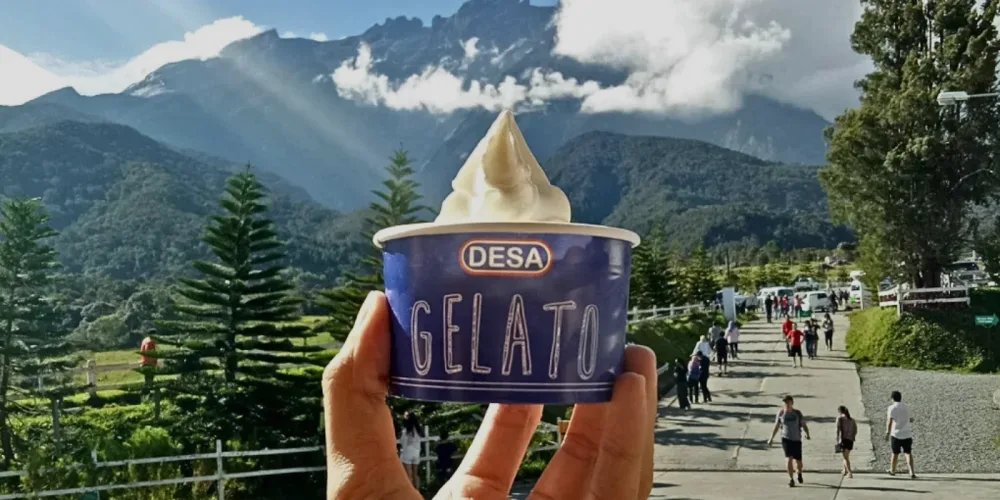
On some days, you’ll spot strawberry-themed desserts, and one of the most reliable places to try them is Mesilou Highland Strawberry Farm, where strawberry-based treats are often more than just “fresh fruit in a box.” Other times, you might want to try the famous soft-serve gelato at Desa Dairy Farm.
Then, there are those days where you want something simpler: jelly cups, cold desserts, cake slices, and small sweet bites that are perfect as a quick add-on between stops.
The best approach is to treat desserts as a “bonus stop,” not a strict mission — which is exactly how this Kundasang food and shopping guide is designed to be used. If something looks fresh and popular, try it on the spot and move on. If you’re specifically craving a proper dessert stop rather than a random sweet bite, head straight to a dedicated dessert shop.
Indulge in Desa’s original gelato, a smooth and creamy treat that’s perfect for enjoying the fresh highland air of Kundasang. (Photo by: Khairi Hamidun)
Kundasang Market: How to Shop Properly
If you enjoy browsing and you want edible souvenirs that actually feel local, Kundasang Market is one of the most satisfying stops you can make, and it fits perfectly into this Kundasang food and shopping guide.
The Kundasang Market is a kind of place where you can grab a few snacks for the drive, pick up fresh highland produce, and get that “this is the real town” feeling, even if you’re only around for a short visit.
Go in with the right expectations and you’ll enjoy it more. Think of the market as a mix of fresh produce and highland finds, packable snack souvenirs, and a lively atmosphere that makes the trip feel more complete.
The best way to shop here is simple: do one full loop first, then decide what to buy. That quick first round helps you compare options, spot better deals, and avoid impulse purchases you might regret five minutes later.
What to buy at the market (simple categories)
If you don’t want to overthink it, shop in three categories:
- Packable snack souvenirs- Light, shareable, and easy to gift.
- Highland produce- Great if you’re staying overnight or bringing something fresh back for family.
- Local specialties- This is where tuhau and other distinct local flavors come in.
How to pack food and souvenirs for the drive
A few small habits help a lot:
- Prefer sealed packs when possible (cleaner and easier to gift)
- Keep snacks separate from strong-smelling items
- If you buy produce, a reusable tote or cooler bag keeps things tidy
- Don’t crush fragile snacks: keep them on top
➤ For a complete guide to visiting the Kundasang Market, don’t miss: Kundasang Market Guide: Best Souvenirs to Take Home (2026).
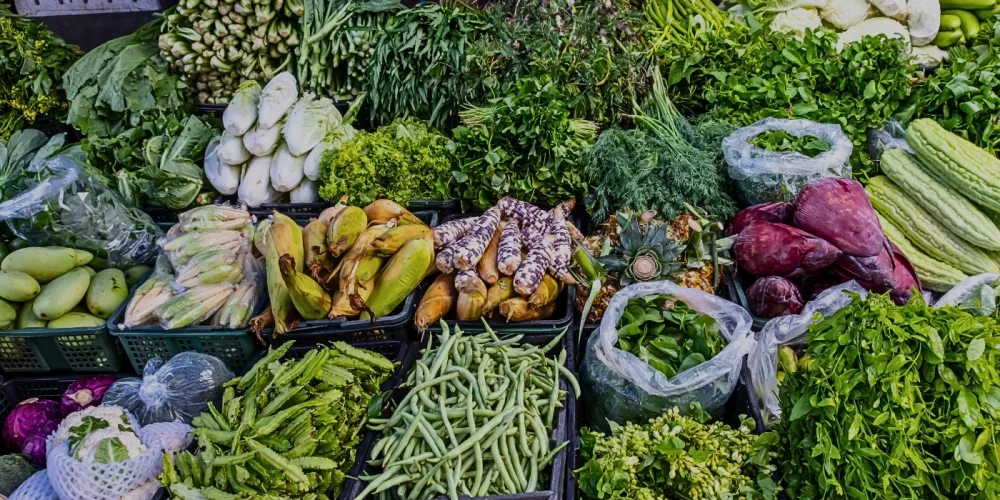
Kundasang’s markets are bursting with fresh, colorful produce, showcasing the region’s fertile highlands and offering a rainbow of fruits and vegetables for locals and visitors alike.
Pekan Nabalu: The Easiest Souvenir Stop on the Route
If Kundasang Market is the “deep browse,” Pekan Nabalu is the quick, low-effort stop that still feels worth it—and it’s a natural part of this Kundasang food and shopping guide.
Pekan Nabalu is a place where you can pull over without overthinking, stretch your legs, and do a fast browse that often turns into a small bag of snacks or local finds.
Even people who say they’re “not shopping” usually end up buying something small here. It’s convenient, easy to walk through, and fits naturally into the route—especially if you’re looking for souvenir-style items that are simple to carry and share.
If you’re short on time but still want that classic “highland stop” experience, Pekan Nabalu is one of the easiest wins.
What to buy at Pekan Nabalu (quick wins)
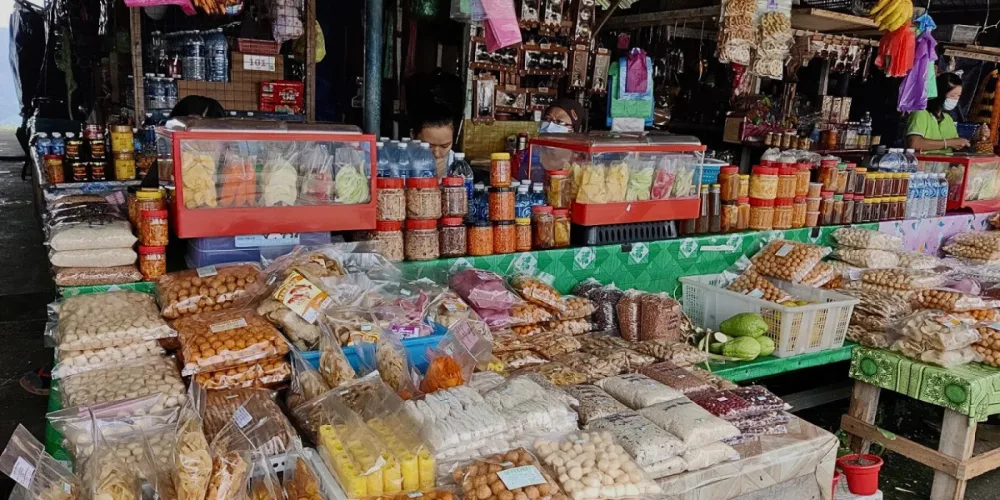
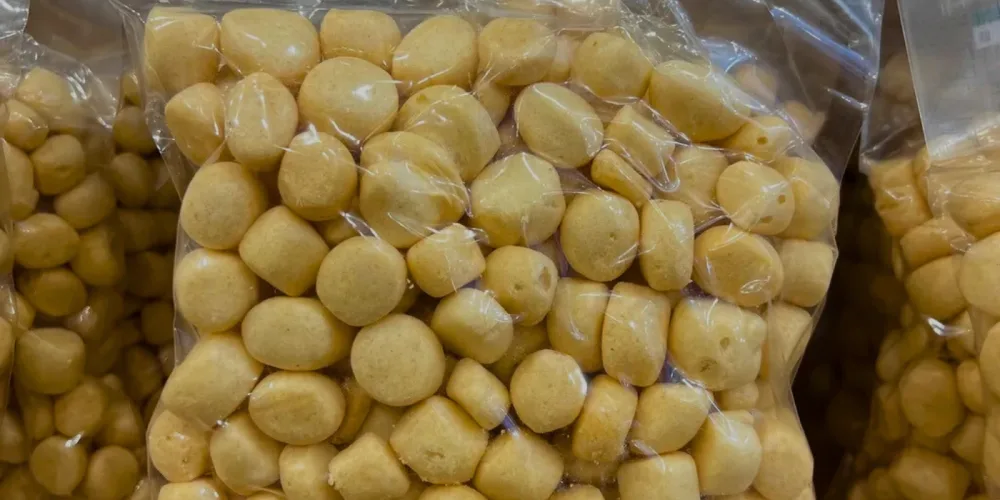
Packed, jarred, and wrapped local snacks at Pekan Nabalu Market are ideal for traveling—easy to carry, less messy, and perfect for bringing home a taste of Kundasang. (Photo by: Tanveer Hossain Parash)
Must-Buy Local Products (What’s Actually Worth Bringing Home)
Buying souvenirs in Kundasang is easy. Buying the right ones is the trick, because a lot of items look “local” at first glance, but some are basically generic snacks you could pick up anywhere.
In this Kundasang food and shopping guide, the best buys are the ones that tick at least one of these boxes: they’re distinctly Sabahan, highland-fresh, or packable enough to survive the drive and still taste good later. That’s the mindset to use when you’re shopping at places like Kundasang Market or Pekan Nabalu.
So what should you actually buy at these stops? Start with items that travel well and feel genuinely local. Tuhau is one of the best examples. It has a strong aroma with a sharp, gingery bite that many people describe as tangy and refreshing, and it’s usually eaten as a side or condiment with rice and savory dishes.
If you’re building a “best local products” list, tuhau deserves a spot near the top because it’s not something you can easily replace with a generic supermarket alternative.
Next, look for highland produce, like fresh vegetables and seasonal fruit, which are part of the local identity. Even if you don’t cook, picking up a small bag can be a simple “this is what the highlands are about” moment.
Finally, for gifting, go for packable snack souvenirs that are sealed, easy to share, and not too fragile. Snacks like amplang and kuih cincin are popular because they travel well and still feel local without being complicated.
Amplang is a popular traditional snack in Kundasang, made from fish paste and tapioca flour, loved for its light crunch and savory flavor. (Photo by: Hesso Malaysia)
Easy Food + Shopping Game Plans
Use these plans like “ready-made routes.” Pick the one that matches how much time you have, then follow the order.
Each plan is designed so you don’t bounce around unnecessarily, and you’re not carrying shopping bags all day. (This is the part of the Kundasang food and shopping guide that you can save and follow on the go.)
Plan A: Quick stop (2–3 hours)
Best for: Day-trippers who just want the essentials.
Start with one proper local meal so you’re not running on snacks, then take one café break for coffee and views, and finish with one souvenir stop at Pekan Nabalu or a quick browse at Kundasang Market. If you only do one shopping stop, packable snacks are the easiest buy.
Plan B: Half-day foodie route (4–6 hours)
Best for: Travelers who want food + shopping, but still keep it relaxed.
Begin at Kundasang Market for snacks and highland produce, then move to one local meal after you’ve walked around. If you spot something fresh and popular, add a dessert stop as a bonus rather than forcing it into the schedule.
Plan C: Full day (best if you stay overnight)
Best for: the full experience without rushing.
Do brunch at a cafe to start slow, then have one main local meal later in the day. Snack on street food between stops, then do your main shopping at Kundasang Market or Pekan Nabalu when you’re ready to buy souvenirs and bigger items. If the weather is nice, end with another cafe stop as a relaxed “final view” moment.
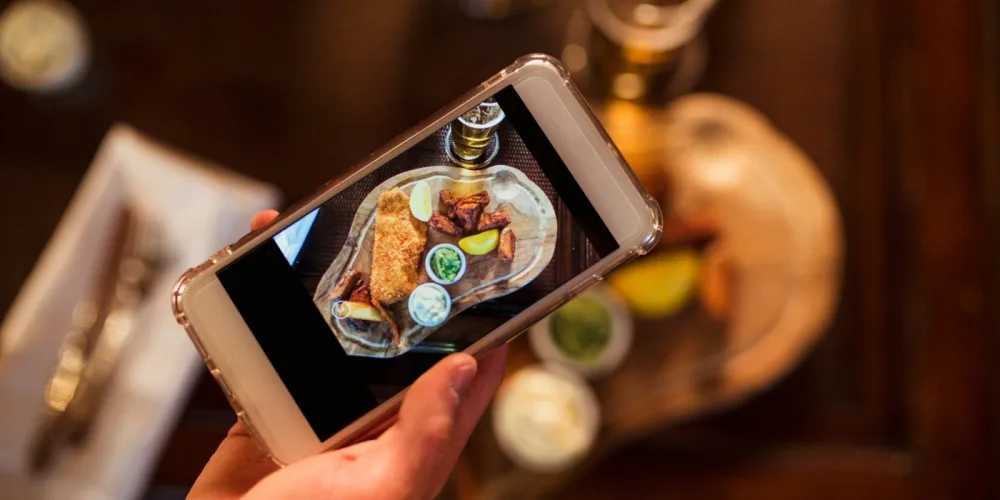
When you go food hunting in Kundasang, don’t forget to take photos of what you eat—these little snapshots capture the flavors, fun, and memories of the trip
Handy Tips to Make the Day Smoother
A few small habits can make your Kundasang day feel a lot more relaxed, and they’re worth keeping in mind as you follow this Kundasang food and shopping guide.
Don’t buy at the first stall you see; do a quick browse first, then come back and decide once you’ve compared options.
Bring small cash so paying is easier, especially at simple stalls where it keeps things moving.
If you can, shop later in the day so you’re not carrying bags around while you’re still hopping between stops and viewpoints.
When the mountain view is hiding, use cafés as “weather buffers”. In this instance, you still get a good break while you wait for clearer skies.
And when you’re choosing snack souvenirs, buy things you’ll actually eat and enjoy, not just something that looks local on the shelf.
Handy Tips 101:
- Don’t buy at the first stall you see. Browse once, then decide.
- Bring small cash so paying is easier.
- Shop later in the day if you can (less carrying around).
- Use cafés as “weather buffers” if the mountain view is hiding.
- Buy snack souvenirs you’ll actually eat, not just “because it looks local.”
In the End, Simple Shopping and Food Choices Make the Best Kundasang Trip
Kundasang is best enjoyed when you don’t treat it like a checklist. A great day here usually comes from a simple rhythm: one satisfying local meal, a few snack stops that feel fun and low-pressure, a café break to slow down and enjoy the cool highland air, and a smart shopping stop where what you buy actually makes sense to bring home.
When you approach it this way, you won’t feel rushed, you won’t overbuy, and you’ll still go back with the best memories and the best “edible souvenirs.”
The main takeaway from this Kundasang food and shopping guide is to keep things practical.
Browse once before you buy, shop later if you can, and pick items that travel well and feel genuinely local, like packable snacks, highland produce, and distinctive Sabahan flavours such as tuhau.
Use cafes as your reset points when the weather changes, and treat desserts as a bonus rather than a strict mission.
Do that, and your Kundasang trip will feel smoother, more enjoyable, and a lot more memorable from the first bite to the last shopping bag.
FAQs: FAQs: Kundasang Food and Shopping Guide