Exploring Cultures in Kundasang: Traditions, Markets & Authentic Experiences

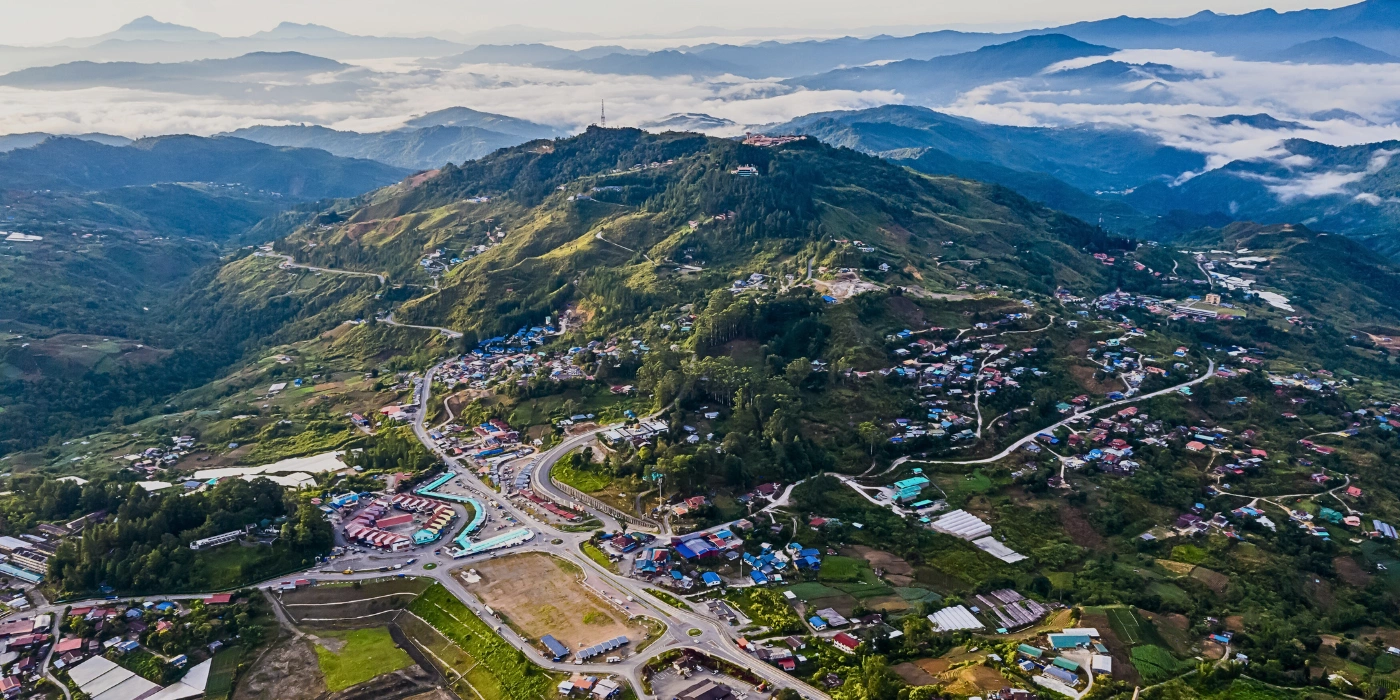
Panaromic view of Kundasang. Featuring winding roads, highland homes and farms, centering the stage for cultures in Kundasang

Table of Contents

Introduction

 
Kundasang, a cool highland town nestled at the foot of Mount Kinabalu in Sabah, Malaysia, isn’t just famous for its scenic views and adventure activities—it’s also a living hub of cultural traditions.
 
The cultures in Kundasang reflect a beautiful blend of indigenous heritage, traditional markets, authentic food, and warm hospitality that welcomes travelers from around the world.
 
If you’re planning a trip to Sabah’s highland, exploring local experiences in Kundasang will transform your journey into something more meaningful. In this guide, we’ll take you through traditions, festivals, handicrafts, markets, and unique ways to immerse yourself in the cultural heartbeat of the highland gem.
 

Why Cultures in Kundasang Matter

The cultures in Kundasang are not simply about traditions preserved in history books but are a living, breathing expression of community life in the highlands. What makes them so special is how seamlessly they blend everyday life with heritage, from the way families work the land to the way festivals are celebrated.
 
Unlike urban areas where culture can sometimes feel detached, here it is present in every corner—the markets, the music, the food, and the conversations with locals who carry generations of stories within them.
 
For visitors, immersing in the cultures in Kundasang means more than observing customs from the outside. It is about experiencing genuine connections with indigenous people, understanding their respect for Mount Kinabalu, and appreciating their deep bond with nature.
 
When travelers take the time to engage with these traditions, they help keep them alive while also enriching their own journeys with memories that feel authentic and transformative.
 

Indigenous Heritage and Traditions in Kundasang

The foundation of the cultures in Kundasang lies in the indigenous Dusun community, who have lived in these highlands for centuries. Their heritage is rooted in farming, music, and a spiritual relationship with the natural world, particularly Mount Kinabalu in which they regard as sacred.
 
Visitors will quickly notice that the Dusun lifestyle emphasizes simplicity and balance, with practices such as planting rice, weaving baskets, and performing rituals that reflect a profound respect for the land. This connection to heritage is not only visible during ceremonies but is also quietly observed in everyday life.
 
Additionally, the cultures in Kundasang reveal themselves in colorful costumes worn during celebrations, in oral stories passed down across generations, and in local performances that share the community’s identity.
 
By exploring these traditions, travelers gain insight into a culture that thrives through resilience, hospitality, and its unwavering link to the highlands.
 

The Kundasang Culture

  • Traditional Farming Lifestyle: Rice and vegetable cultivation remain central. Walking through local farms, you’ll see the Dusun people using age-old methods to nurture the land.
  • Customs and Beliefs: Respect for the spirits of nature plays a big role. Rituals often involve offerings to Mount Kinabalu, which is considered sacred.
  • Traditional Costumes: The Dusun people wear colorful woven costumes during festivals—often decorated with beads and hand-sewn motifs that tell stories of ancestry.
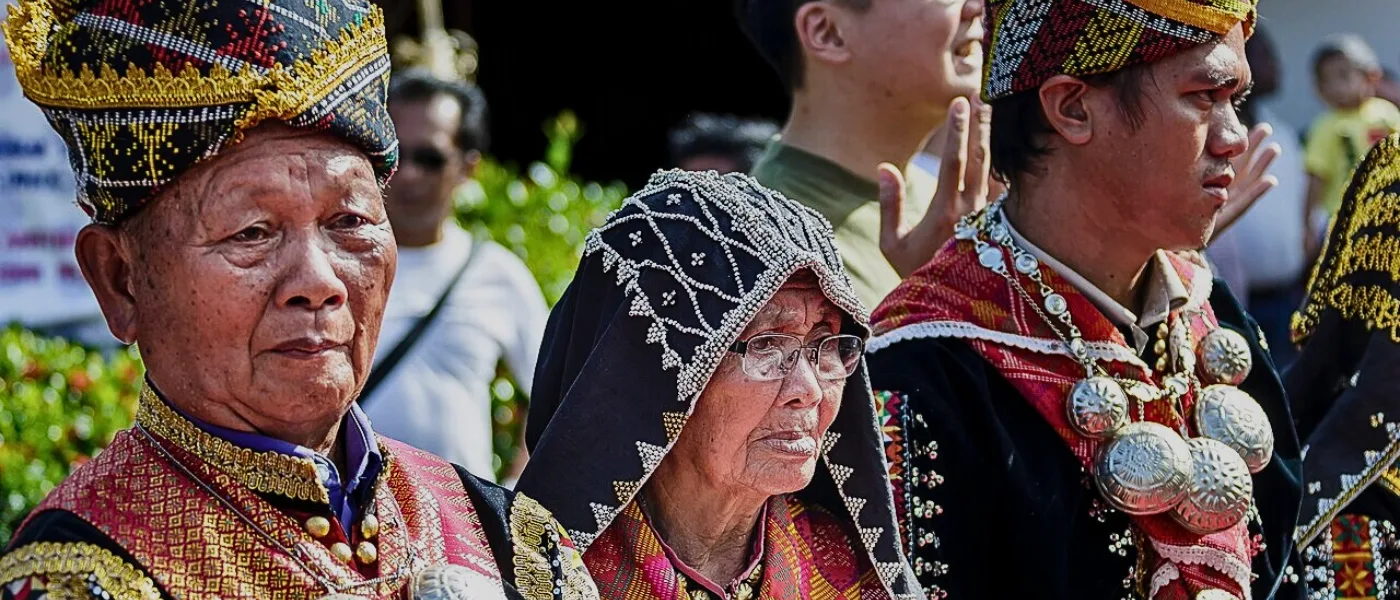
Group of Dusun elderlies in Kundasang wearing traditional clothes.
Kundasang’s culture is deeply tied to the Dusun people, seen here in their traditional clothing. (Photo by: Wikipedia)

Kundasang Town and Markets – Where Culture Comes Alive
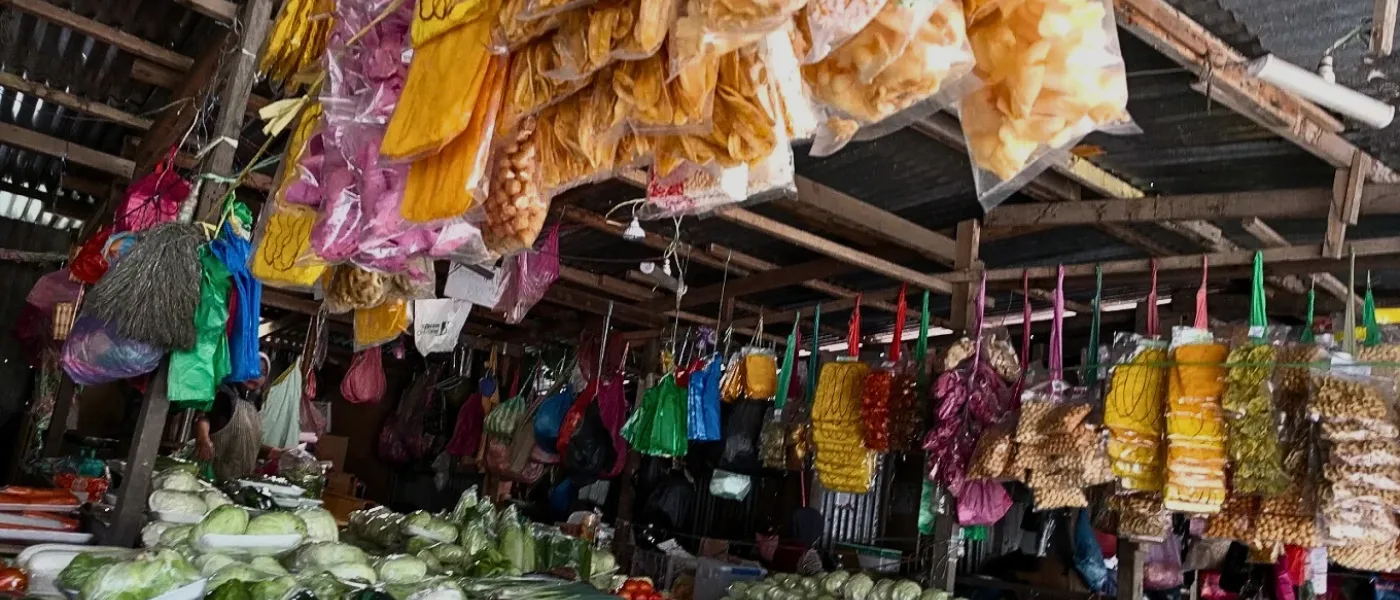
The heartbeat of the cultures in Kundasang can be found in its town and lively markets, where tradition and daily life blend seamlessly.
 
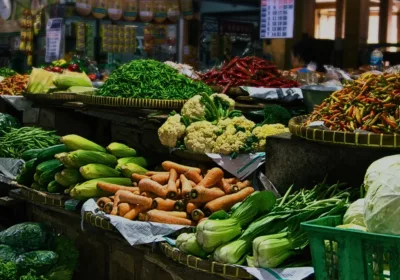
As you wander through Kundasang town, the cool air carries the scent of fresh vegetables, flowers, and spices sold by local farmers. Markets here are not just places to shop; they are spaces where heritage thrives in everyday exchanges, from bargaining to storytelling. The sight of vibrant produce, handmade crafts, and friendly conversations creates an atmosphere that reflects the warmth and resilience of the highland community.
 
Visiting these markets gives travelers a genuine window into the cultures in Kundasang, where each stall represents a story of livelihood and tradition. Meeting artisans who sell beadwork or woven baskets reveals the skills passed down through generations, while purchasing vegetables directly from local farmers connects visitors to the agricultural roots of the region.
 
Beyond its bustling markets, Kundasang town is also a great spot for sunrise viewing. Watching the first light spill over Mount Kinabalu adds a magical backdrop to the cultural charm of the area, making mornings here truly remarkable.
 
Simply put, in Kundasang town and its markets, culture is alive in every detail.
Fresh vegetables, fruits, and local foods displayed at Kundasang market stalls.
Kundasang markets are filled with fresh highland vegetables, tropical fruits, and local delicacies that reflect the community’s farming lifestyle. (Photo by: Muhammad Othman)

Authentic Cultural Experiences in Kundasang

One of the best ways to connect with the cultures in Kundasang is by stepping beyond observation and embracing experiences that bring you closer to the local way of life.
 
Homestays, for example, allow visitors to live with indigenous families, share traditional meals, and join in daily activities such as farming or cooking. These moments of connection create authentic memories that are far richer than a simple sightseeing tour, offering travelers the chance to understand the deeper meaning behind traditions and customs.
 
Workshops and performances further enrich these opportunities, with many locals opening their homes to teach weaving, beadwork, or bamboo music. Cultural dances accompanied by the sound of gongs are not staged performances but heartfelt expressions of identity that travelers are welcome to join.
 
Through these encounters, the cultures in Kundasang reveal themselves not as tourist attractions but as real, enduring practices that continue to shape the lives of the people who call this highland home.
 

Authentic Ways to Connect with Kundasang's Cultures

  • Homestays: Staying with a Dusun family allows you to live their lifestyle, share meals, and learn their traditions.
  • Cooking Classes: Some families and guesthouses teach visitors how to prepare traditional Dusun dishes using fresh market ingredients.
  • Handicraft Workshops: Learn weaving, bead-making, or bamboo instrument crafting directly from artisans.
  • Local Dance & Music: Join in community events to watch (or participate in) the gong performances and lively traditional dances.

Festivals & Celebrations in Kundasang

Festivals are a vibrant window into the cultures in Kundasang, offering visitors the chance to witness community pride and joy at its most colorful.
 
The Kaamatan Harvest Festival, celebrated at the end of May, is the most significant of these, where rituals, dance, and music come together to honor the rice spirit. During this celebration, the air is filled with energy as traditional costumes are worn, local delicacies are shared, and performances reflect both heritage and storytelling.
 
For travelers, being present at such a festival provides an unforgettable immersion into the cultural heartbeat of the highlands.
 
Beyond large festivals, smaller community gatherings and even local weddings can offer equally fascinating glimpses into the cultures in Kundasang. These occasions are opportunities to see the importance of family, tradition, and ritual in everyday life.
 
Whether it’s through dance, music, or food shared across generations, such celebrations remind visitors that culture here is not confined to history—it is alive, evolving, and cherished.
 

Kundasang's Events to Join

  • Kaamatan Festival (Harvest Festival): Held every May, this is Sabah’s most important indigenous celebration. Kundasang lights up with music, dance, and cultural performances. The highlight is the Unduk Ngadau beauty pageant, symbolizing the spirit of rice.
  • Local Weddings: If you’re lucky, you may see a Dusun wedding with traditional costumes, bamboo music, and community feasts.
  • Village Celebrations: Smaller community gatherings often feature traditional dances, costumes, and food—a true glimpse into Kundasang traditions and customs.
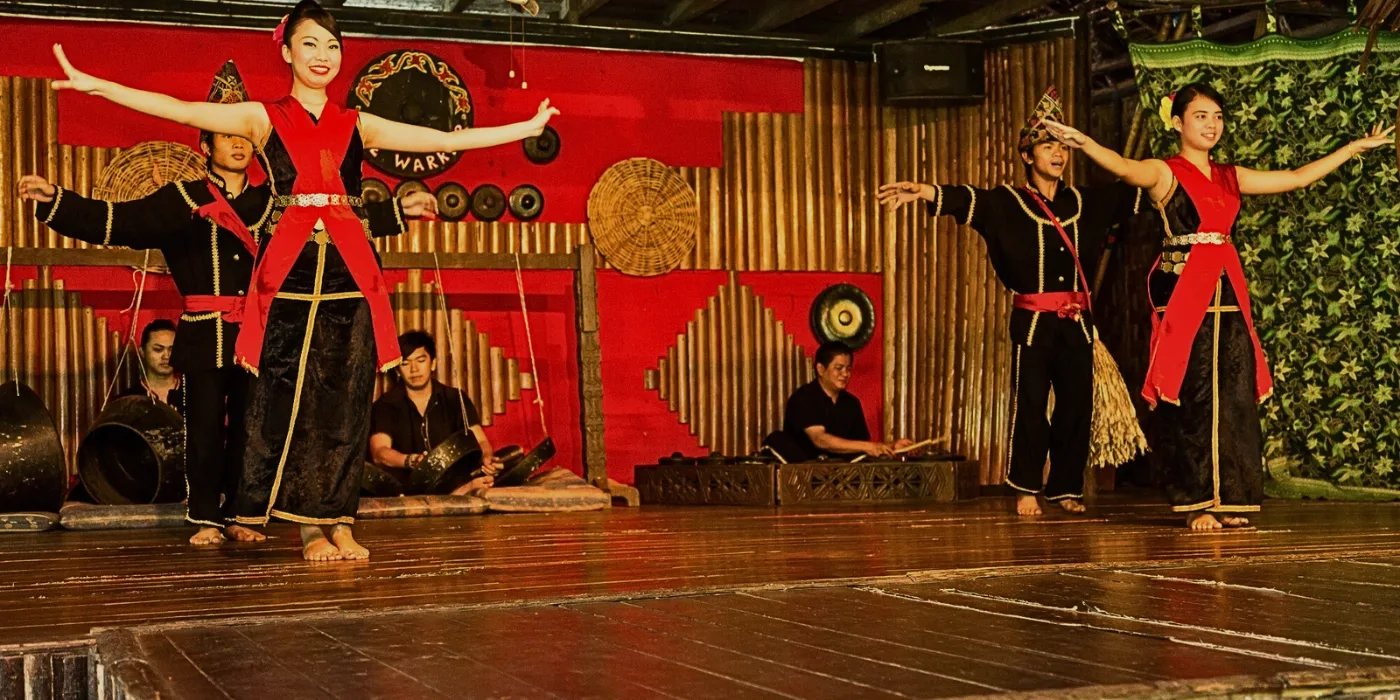
Dusun dancers in traditional attire performing the Sumazau dance
Performed during the Kaamatan Festival, the Sumazau dance showcases Dusun tradition with graceful bird-like movements. (Photo by Monsopiad Heritage Village)

Food as a Gateway to Culture

The cultures in Kundasang are perhaps best tasted through food, where every recipe carries the wisdom of generations.
 
Dishes like Hinava, a zesty raw fish salad mixed with lime, ginger, and chilies, or Linopot, rice wrapped in leaves for farmers to carry into the fields, highlight the creativity of the Dusun people in making use of the land’s resources.
 
Among the most distinctive traditional foods is Nonsom, a fermented rice dish enriched with additions such as bamboo shoots, fish, or wild ginger, giving it a unique flavor that is both earthy and tangy. Another traditional delicacy is Tapai, a traditional rice wine, often served during communal gatherings.
 
Exploring the local cuisine allows travelers to engage with the cultures in Kundasang on a sensory level, where flavors are deeply tied to rituals and celebrations. Every dish carries the mark of heritage, and tasting them offers visitors not only delicious flavors but also a chance to understand the relationship between food, land, and identity.
 

Some Dishes and Drinks You Must Try

  • Hinava – A raw fish salad mixed with lime, ginger, and chilies, a staple Dusun delicacy.
  • Linopot – Rice wrapped in leaves, traditionally carried by farmers to the fields.
  • Nonsom – Fermented rice with additions such as bamboo shoots, fish, or wild ginger
  • Tapai – A traditional fermented rice wine, often shared during community gatherings.
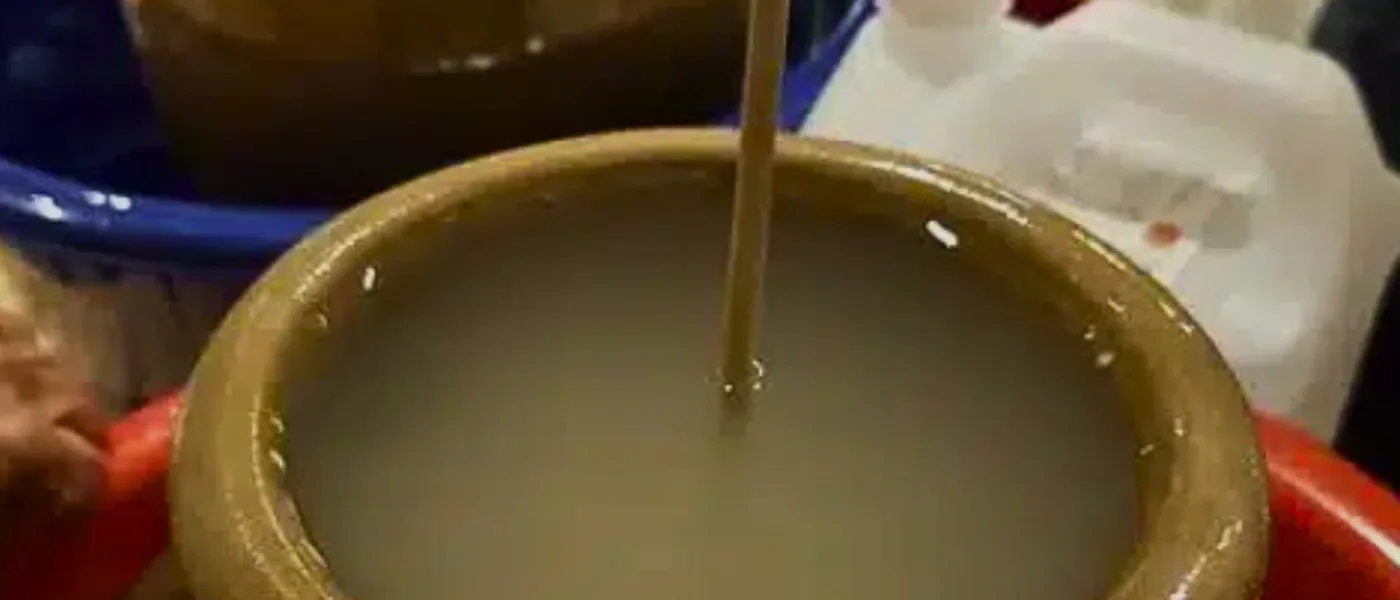
ChatGPT said: Nice addition, Cathy 🍶 This will highlight Kundasang’s traditional drink culture beautifully. Here’s the set for Tapai (rice wine): Alt text: Traditional Dusun tapai rice wine served in a large jar with bamboo straw
Tapai, a traditional Dusun rice wine, is often shared during celebrations in Kundasang, served in jars with bamboo straws. (Photo by: SabahEats)

Handicrafts and Cultural Shopping

 
Handicrafts are one of the most visible expressions of the cultures in Kundasang, reflecting the skill and creativity of artisans who keep heritage alive through their work.
 
Items such as woven baskets, beadwork jewelry, and hand-stitched textiles are meaningful pieces that embody the traditions of the highlands. Each craft is shaped by the hands of locals who have inherited skills from generations before them, ensuring that heritage continues to thrive in a modern world.
 
Shopping in Kundasang markets becomes an immersive experience rather than a transactional one. Visitors who purchase directly from artisans gain more than physical items; they take home pieces of culture imbued with identity and pride.
 
Also, supporting local crafts not only sustains the community but also preserves the wider narrative of the cultures in Kundasang, making every purchase a contribution to the protection of traditions that remain central to the highland lifestyle.
 

Cultural Shopping in Kundasang

  • Woven Baskets & Mats – Crafted from bamboo and rattan, reflecting indigenous skills passed down through generations.
  • Beadwork Jewelry – Brightly colored necklaces and bracelets often symbolize cultural identity.
  • Textiles & Costumes – Handwoven fabrics are not just souvenirs; they’re wearable art rooted in heritage and customs.
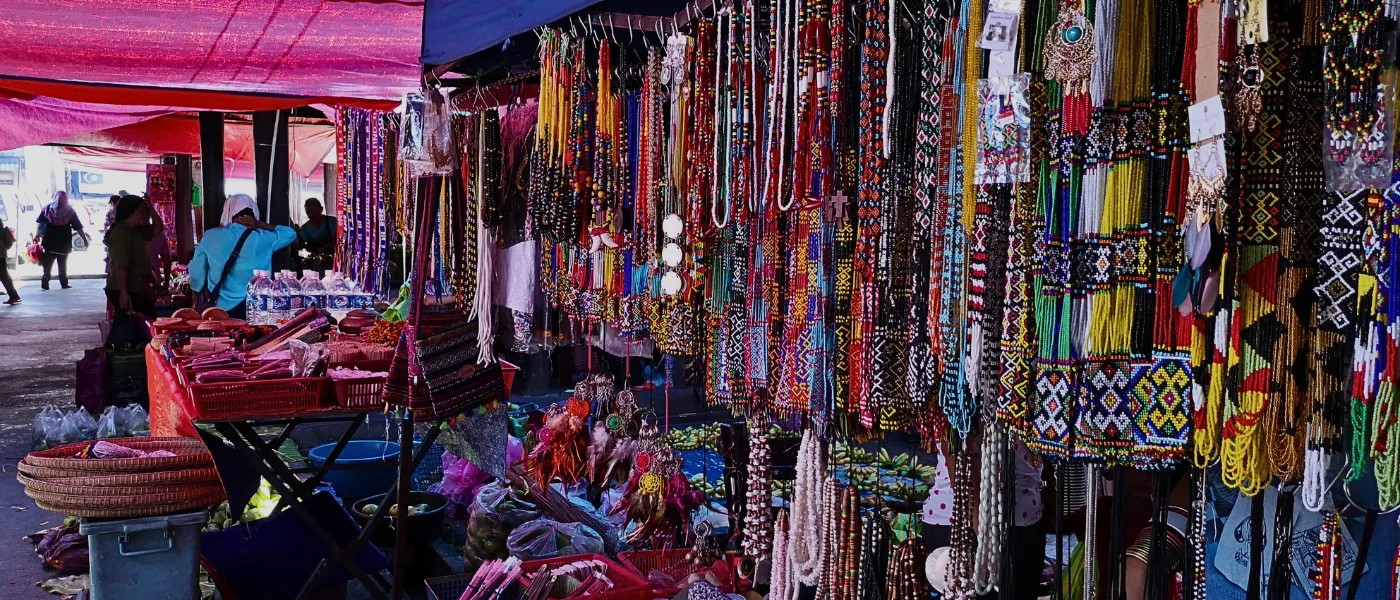
Colorful Dusun beadwork handicrafts displayed at Kundasang market stalls.
From necklaces to bracelets, Dusun beadwork is a craft passed down through generations.

Tribes & Stories of the Highlands

The cultures in Kundasang are inseparable from the stories of its indigenous tribes, each contributing to the vibrant tapestry of highland life.

The Dusun, the largest tribe in the region, are renowned for their deep connection to the land and their reverence for Mount Kinabalu.
 
Alongside them, communities such as the Kadazan and Murut enrich the area with distinct practices, from music and dance to rituals that reflect a shared respect for nature and ancestry. Meeting these communities allows travelers to understand the human side of Kundasang’s heritage.
 
Whether it is through performances, farming practices, or oral histories, the voices of these tribes ensure that culture remains alive and relevant. For travelers, connecting with these cultures transforms a trip into a journey of understanding and appreciation.
 

Why 2026 is the Best Year to Explore Kundasang
 
The year 2026 marks an exciting time to explore the cultures in Kundasang, as local communities are increasingly focused on sustainable tourism that highlights authenticity. Efforts are being made to promote heritage-based activities, ensuring that travelers can experience traditions in ways that are respectful and genuine.
 
This renewed emphasis means that visitors will encounter cultural offerings designed to celebrate identity while protecting the environment and the community’s way of life.
 
Nowadays, the opportunities to support and preserve the cultures in Kundasang while enjoying authentic immersion are growing. From expanded heritage tours to new community-led workshops, the experiences available this year reflect a commitment to sharing culture in its truest form.
 
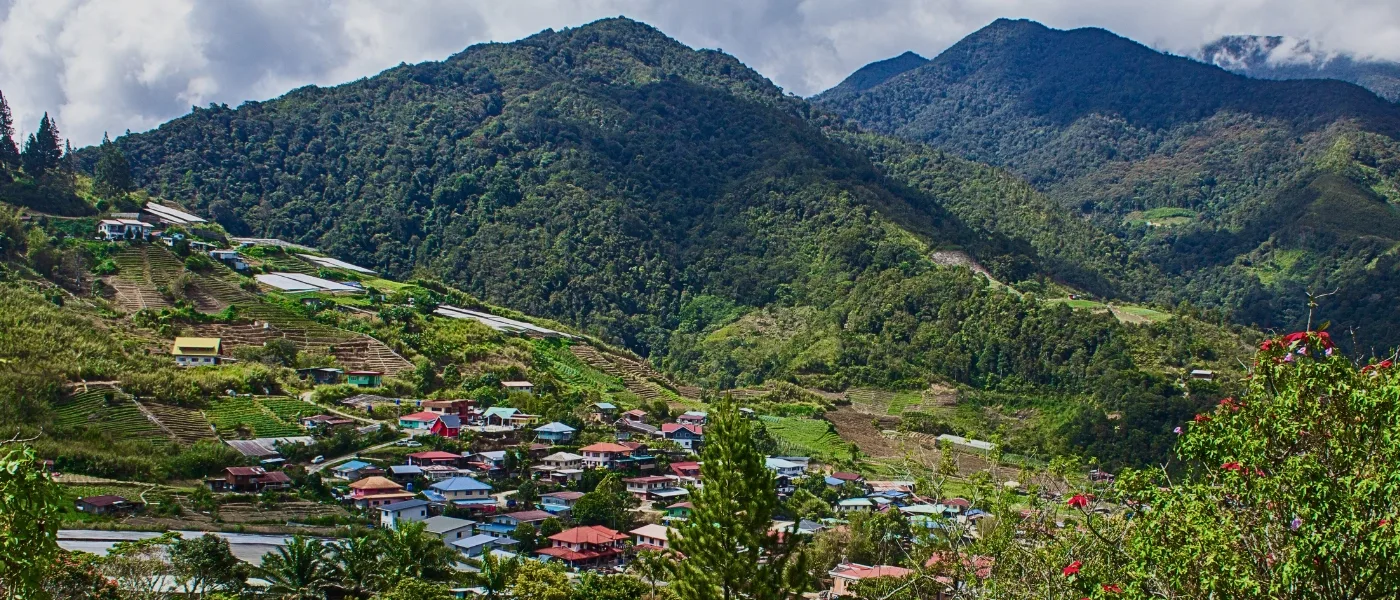
Panoramic view of Kundasang town with highland houses, farms, and mountains in the background.
Kundasang’s farms, highland homes, and mountain views set the stage for cultural experiences that make 2025 the perfect year to visit.

Conclusion

The cultures in Kundasang are not staged attractions but living traditions carried proudly by the people of the highlands. From colorful festivals and traditional costumes to vibrant markets and dishes like nonsom, every experience offers a chance to witness heritage in action.

Kundasang is mostly famous for its scenery, animals, and adventure activities like ATV rides or paragliding, but what makes it more appealing to visit is also the cultural immersion that visitors cannot skip. Those who take time to immerse themselves in these traditions find a journey that is more meaningful than sightseeing—it is an opportunity to connect with stories, customs, and ways of life that continue to thrive at the foothills of Mount Kinabalu.
 
To make the most of your trip, pair your cultural exploration with other highlights of the region by checking out our pillar blog, Best Kundasang Activities and Experiences No One Should Miss. By blending outdoor adventure with authentic traditions, you’ll gain the complete picture of what makes this destination so extraordinary.
 
All and all, the cultures in Kundasang are what give depth to the landscapes, transforming every hike, market visit, or community encounter into part of a living story. They offer unforgettable adventures and discoveries that will stay with you long after your journey ends.
 

FAQs: Cultures in Kundasang

1. What makes the cultures in Kundasang unique?

The cultures in Kundasang are shaped by the indigenous Dusun people who have lived in the highlands for centuries. Their deep respect for nature, traditional farming practices, colorful festivals, and unique foods like Nonsom and Linopot make Kundasang a place where heritage is still lived every day.

Yes, the markets are one of the best ways to experience the cultures in Kundasang firsthand. Strolling through Kundasang town market or Pekan Nabalu lets travelers see daily life unfold, from farmers selling fresh produce to artisans offering beadwork and woven crafts.

Visitors should not miss traditional dishes like Hinava, Linopot, Tapai, and the distinctive Nonsom, a fermented rice dish with bamboo shoots, fish, or wild ginger. These meals are an important part of the cultures in Kundasang, offering a taste of traditions passed down for generations.

The highlight of the cultural calendar is the Kaamatan Harvest Festival in May, where music, dance, and community spirit take center stage. Smaller village gatherings and weddings also showcase the cultures in Kundasang, giving travelers a chance to experience authentic celebrations.

Joining a guided tour is one of the easiest ways to connect with the cultures in Kundasang. With ExploreKundasang, you can enjoy immersive activities such as visiting markets, learning handicrafts, tasting traditional foods, and meeting local families who share their customs with pride.

Discover Cultures in Kundasang With Us

One of the most rewarding ways to experience the cultures in Kundasang is by joining a guided tour that brings together traditions, markets, food, and authentic encounters. Our Kundasang tour is designed to help travelers go beyond sightseeing, offering you the chance to step into village life, meet local families, and witness cultural practices that make the highlands so unique.

From strolling through bustling town markets to tasting traditional dishes like nonsom and hinava, every moment is crafted to give you an authentic connection to the people and their way of life.
 
By traveling with us, you’ll discover how the cultures in Kundasang are woven into daily experiences. With expert guides who share stories and insights, you’ll return with more than photos; you’ll leave with a deeper appreciation for the cultural heartbeat of Kundasang.
 
Get in touch through our Contact Us page, and let’s start planning your ultimate cultural journey together.

Our Top Tours You’ll love:

Login to use

Exclusive 4D3N KK Kundasang Private Family Package | Sabah Getaway

Duration

4 Days 3 Nights

Home 4D3N KK Kundasang Private Family Package –...

Related Articles

Leave a reply

Your email address will not be published. Required fields are marked *

Alert: You are not allowed to copy content or view source !!